The oppressors and the oppressed: Middle- East conflict explained
- tankapfunde
- May 12, 2021
- 3 min read
Disclaimer: All views expressed on this site are my own and represent the opinions of any entity whatsoever with which I have been, am now or will be affiliated.

In Islamic culture, Ramadan is the holiest month of the year. It is a time of reflection and growth for Muslims. Despite this, the devastating dissension continues for Muslims in Jerusalem. The photographic images captured of the Al-Aqsa Mosque being stormed and bombarded were nothing more than distressing and heart-rendering.
For those that are not aware of the historical background of the humanitarian crisis in Palestine, the region was previously under British colonial rule after the Ottoman empire. Following rising tensions, the British attempted to appease both Arab and Jewish factions. The United Nations adopted a partition plan (recommendation to create independent Arab and Jewish states and an internationalised Jerusalem). The Jewish Agency, on the other hand, accepted this, while Arab leaders rejected it. The Jewish Agency declared the state of Israel independent the following year. Before creating 'Israel' only 73 years ago, Palestinian Christians, Jews, and Muslims all coexisted. 'Israel' oppresses Palestinian Jews, just as it oppresses the Samaritans in Nablus. Western media's labelling of the crisis as a "religious conflict" is inaccurate and unwise.

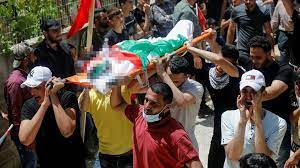
Zionism is a movement that advocates for the re-establishment and support of a state centred in the region of Palestine. This ideology has been the seed of the illegal policies that have inflicted misery on the Palestinian people. Notably, Nakba, which translates "catastrophe," occurred in 1948, when over 700,000 Palestinians were displaced from their homes, and over 500 villages were destroyed. Palestinians have stood firm and protested against the further occupation; this had led to historical events such as the First Intifada, which were protests against Israel's occupation of the West Bank and Gaza, which began in 1967 and lasted twenty years. In response, Israel deployed 80,000 soldiers and used heinous live rounds. Israeli security forces killed 311 Palestinians in the first year of the Intifada, 53 of whom were under 17. The endless bloodshed in this segregated state has continued as decades have progressed; over 540 Palestinian towns and villages have been ethically cleansed, massacred, and destroyed by Zionist terror groups. In 2018, the Israeli Defense Forces (IDF) used live ammunition on peaceful Palestinian protestors on the Gaza border, killing 189 people, including 32 children. The brutal struggle for equality for Palestinians becomes even more challenging; Elad, a group that supports settlements in Palestinian neighbourhoods of occupied East Jerusalem known as Silwan, is backed by wealthy benefactors such as Chelsea F.C. owner Roman Abramovich, whose four companies have contributed more than $100 million (£74 million) to Elad.
For people unfamiliar with the ongoing genocide, Western intervention is frequently asked; unquestionably, democracy should help those who are in desperate need of help; having said that, unfortunately, Western governments undoubtedly support Israel. The British government is not just a bystander, The British government approved £7 million in arms sales to Israel, and 200 Palestinians were helplessly slaughtered six months later. In addition, Britain shamefully abstained from a UN vote condemning Israel's use of excessive force against demonstrators. The United States, who are supposed to be the "leaders of the free world," also support Israel with weapons and defence systems; in 2019, the US provided Israel with $3.8 billion in foreign military aid. There is much speculation as to why the US is so heavily involved. The main reason is to consolidate control in the Middle East against Iran and expand influence in other Arab states with large oil reserves. The main reason the old colonial powers support Israel is that condemning Israel's actions would force them to reflect on their own previous and current imperialistic attitudes, which would lead to discussions about rightful reparations and justice for Palestinians. However, we should all be aware by now that these are conversations that ex-colonial powers actively avoid, not only about Palestine.
It should also be noted that people have been called out for Israel's treatment of Palestineans; for example, in the 2019 general election, ex-Labour leader Jermy Corbyn was labelled an anti-Semite for recognising Palestine as a state. Even though, as stated earlier, it is not a religious conflict, and Jewish people in Palestine and abroad have condemned Israel's actions.

A staggering 72 million Palestinian refugees have been displaced from their homeland, with the right to return denied. Palestinians are denied their right to liberation, freedom, and justice. My thoughts and prayers are with those who have suffered and will continue to suffer under such tyranny. Hopefully, one day we will see the people of Palestine free and peaceful in the middle east. #FreePalestine

Thank you for the information it helped me understand well done boy boy 👏🏾👏🏾
This is an amazing and enlightening piece 🔥
Wow well researched and detailed. For me the brutal struggle for equality in your own country is wat stood out. I still feel anger for countries that " seem like that are helping" but in actual fact worsening the situations. Well Done Tanaka. Keep writing